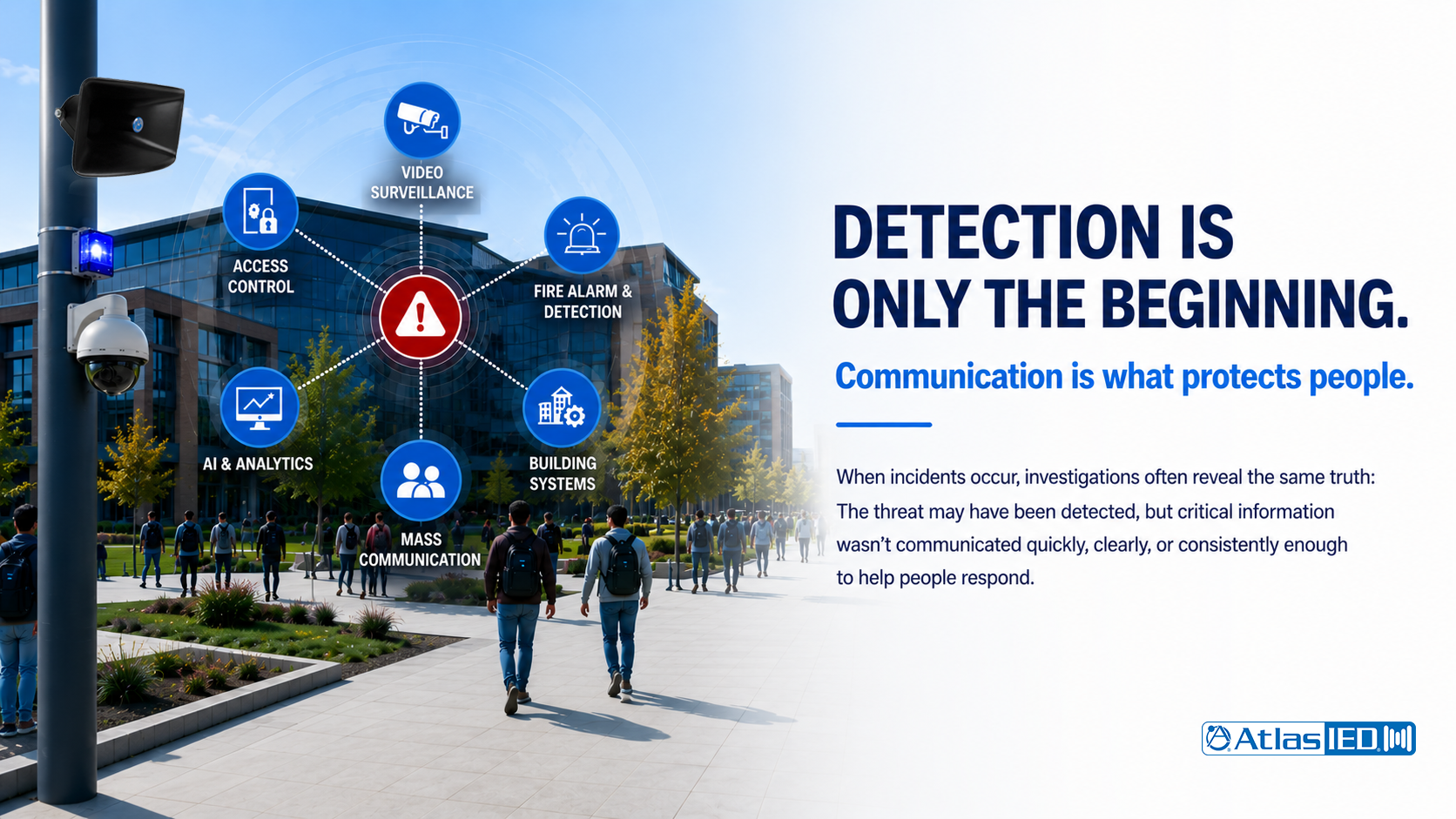
From public address systems and IP-based solutions to mass notification and life safety platforms, mission-critical technology plays a vital role in keeping people informed and protected. These communication systems must operate reliably at all times. Proactive assurance plans help reduce downtime, maintain performance, and protect long-term investments beyond a standard warranty.
For decades, airport announcements have remained largely unchanged: repetitive, generic, and often disconnected from the actual needs of passengers and operations. In many terminals, announcements are either delivered manually by staff with varying levels of quality or, at best, played from pre-recorded prompt voice files triggered manually by airlines or ground handlers. This fragmented approach is not only inefficient but also fails to deliver the clarity, timeliness, and personalization.
When you’re designing a commercial audio system, one of the most important decisions you’ll make is how to structure the core electronics. Should you use a powered DSP (a DSP with built-in amplification)? Or do you build around a separate DSP and amplifier architecture? That choice affects how quickly the system installs, how easy it is to expand later, and how reliably it performs over time. Pick the wrong approach and you can end up with bottlenecks, workarounds, or expensive redesigns.
In professional audio, the term “voicing” is often mentioned but not always fully understood. While it may sound like a subjective or artistic process, voicing is actually a deliberate engineering step that shapes the tonal character of a loudspeaker after its core design is complete. For integrators, facility operators, and audio professionals deploying multiple loudspeaker formats, understanding what voicing is—and what it is not—helps ensure systems are designed with realistic expectations.
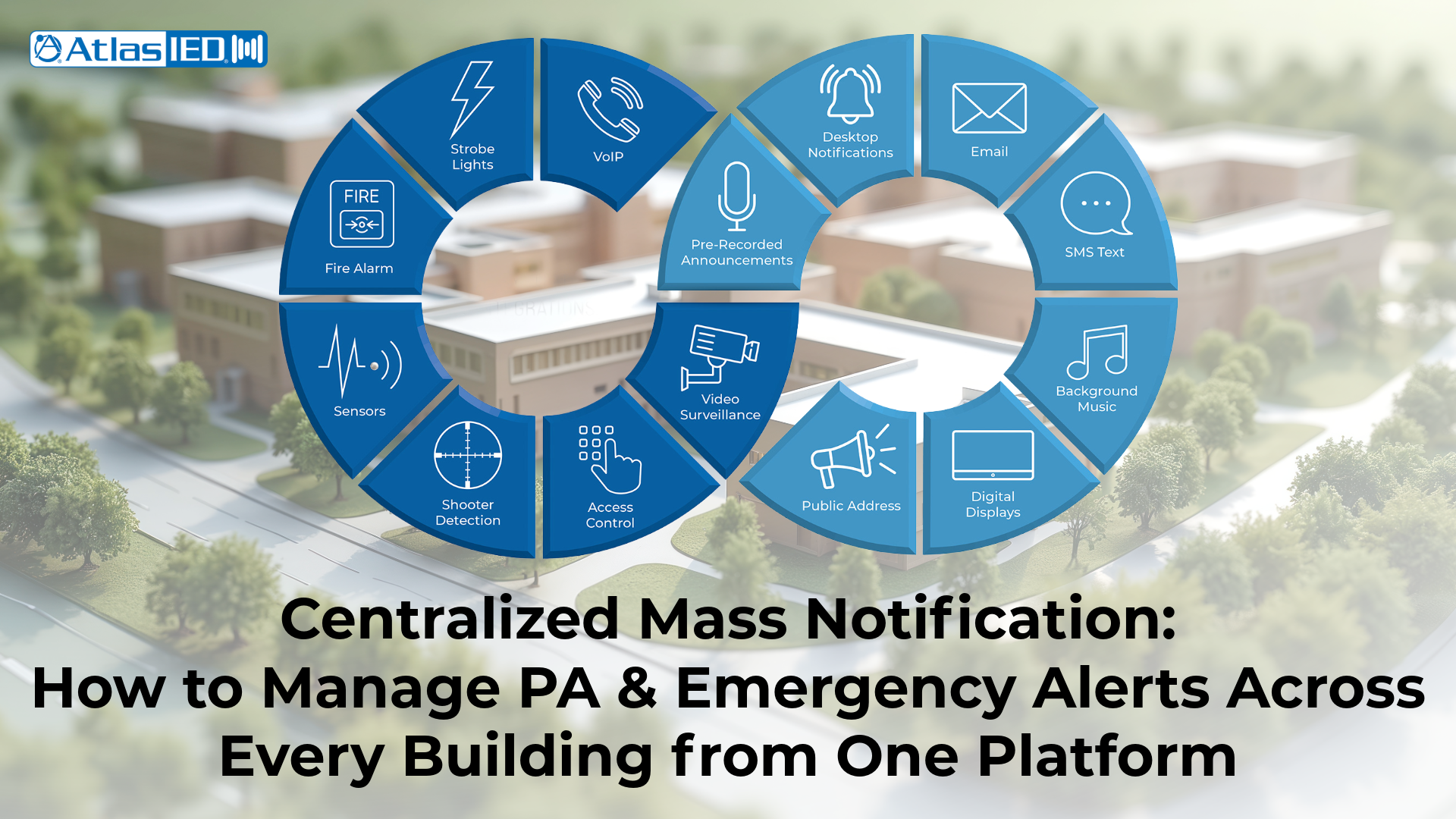
Mass notification has moved from “nice to have” to mission-critical. Schools, campuses, enterprise offices, hospitals, airports, and municipalities are upgrading systems to reach people instantly—on any device, in any space—when seconds matter. For security integrators, this shift represents one of the most attractive growth markets: platform sales, endpoints, services, and multi-year support contracts all bundled into high-value projects.
In today's fast-paced industrial environments, effective communication is crucial for ensuring safety, operational efficiency, and regulatory compliance. Mass communication technologies play an indispensable role in disseminating critical information swiftly and accurately across large, often noisy, and complex facilities. These systems are designed to alert employees of emergencies, safety protocols, and operational updates, thereby minimizing response times and enhancing overall safety.
Modern communication systems are now designed to be more integrated, flexible, and responsive, meeting the unique needs of healthcare environments. These systems enable seamless communication with caregivers, patients, visitors, and administrative staff, ensuring that critical information is conveyed promptly and accurately.
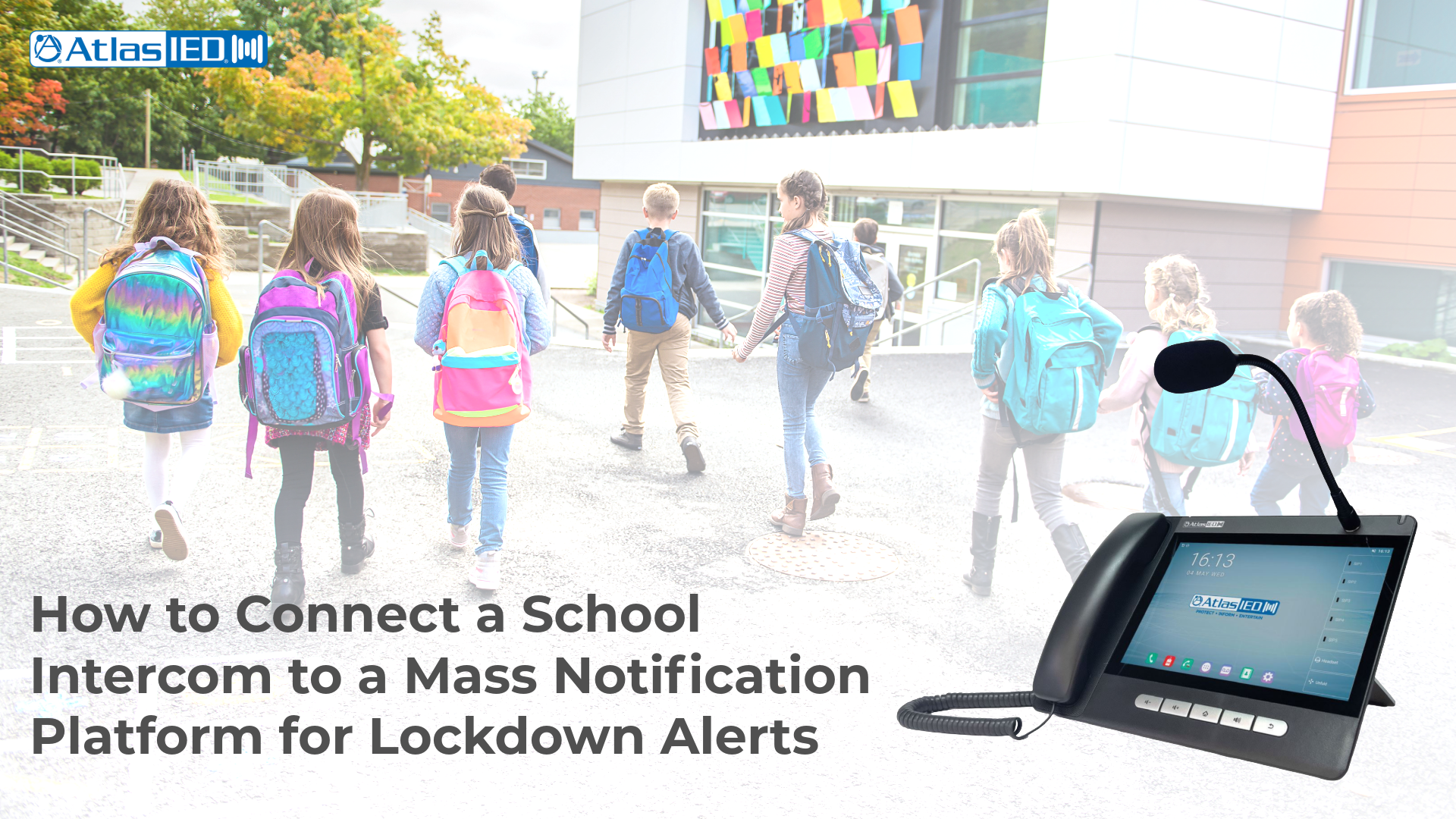
In today’s K-12 educational landscape, effective communication is essential for ensuring safety, efficiency, and student success. Schools operate like small communities, with constant movement between classrooms, hallways, cafeterias, and outdoor spaces. To manage both daily operations and emergency situations, modern school mass communication systems have become a critical investment.
Discover how AV hardware and IP-based communication systems are reshaping modern transportation. From real-time announcements and emergency alerts to streamlined operations and improved passenger experiences, integrated AV solutions are driving safety, efficiency, and connectivity across airports, subways, and transit hubs. Learn how these technologies are shaping the future.