Loudspeaker voicing is the process of shaping a speaker's frequency response, tonal balance, phase behavior, and overall sonic character so that it reproduces audio in a predictable and desirable way. In loudspeaker design, voicing is often one of the most important — and most overlooked — factors affecting system performance.
What Are the Best Speakers for Hotel Lobbies, Restaurants, Pools, and Spas? Quick Answer: The best hotel loudspeaker depends on the space. Premium in-ceiling speakers are ideal for lobbies and spas, pendant speakers work well in restaurants with open ceilings, and weather-resistant outdoor speakers are best for pools and outdoor hospitality areas. A hotel’s audio system shapes guest experience far more than most operators realize. Research summarized by hospitality strategists indicates that up.
When facilities teams evaluate sound masking, the conversation usually starts subjectively — “the office is too distracting” or “we need more privacy in this clinic.” The conversation should end objectively. Two measurable metrics — the Articulation Index (AI) and its complement, the Privacy Index (PI) — let acousticians prove whether a space is actually private or not, and whether a sound masking system has done its job.
If you work in security, you already live in the low-voltage world—access control, intrusion, cameras, networks. Yet many integrators hesitate when they hear “70-volt” or “100-volt” loudspeakers, assuming they’re dealing with something closer to an electrician’s scope. In reality, 70V/100V speaker systems are generally considered low-voltage, power-limited audio circuits, designed for the same types of commercial buildings where you already run cable every day.
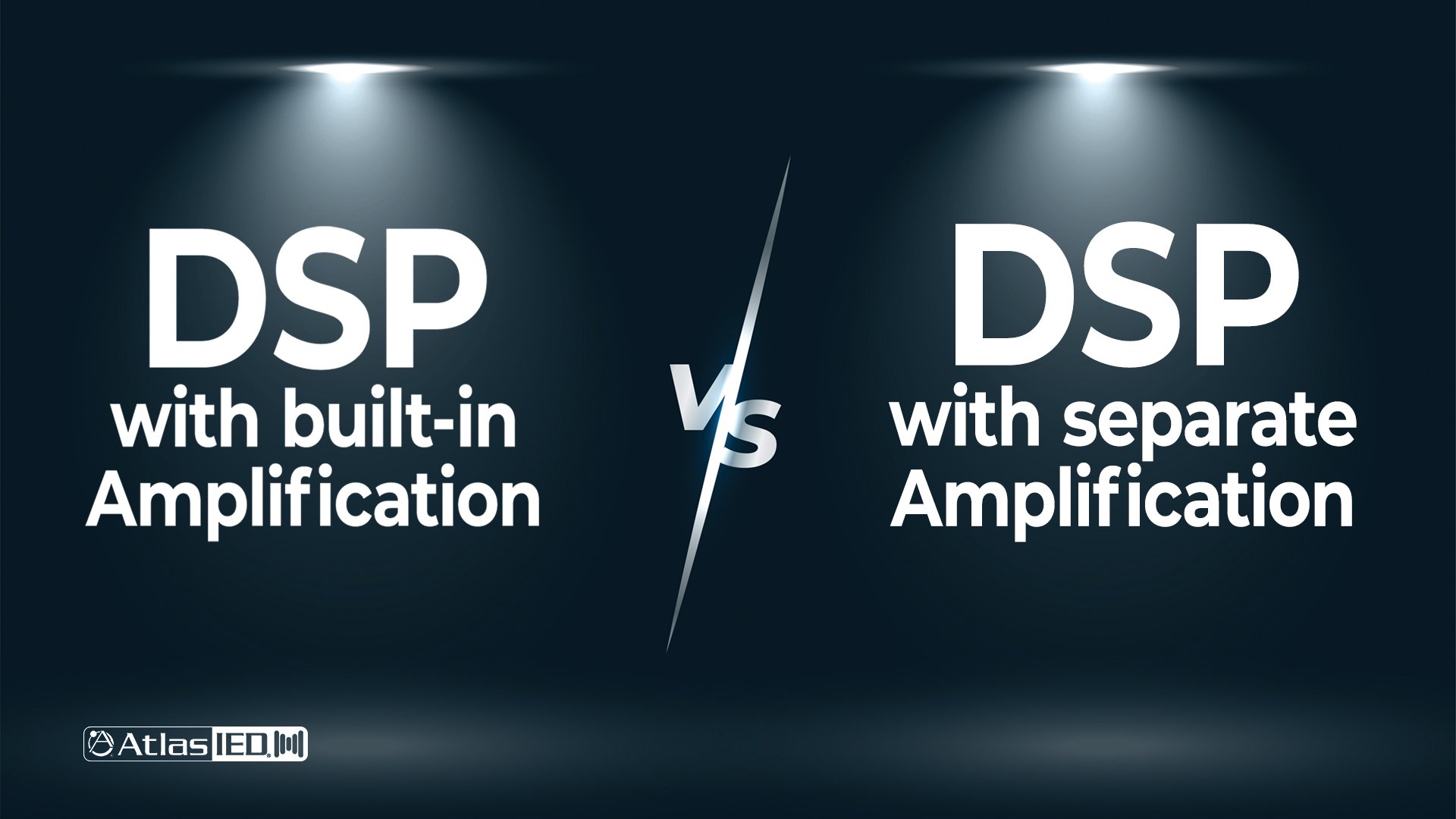
When you’re designing a commercial audio system, one of the most important decisions you’ll make is how to structure the core electronics. Should you use a powered DSP (a DSP with built-in amplification)? Or do you build around a separate DSP and amplifier architecture? That choice affects how quickly the system installs, how easy it is to expand later, and how reliably it performs over time. Pick the wrong approach and you can end up with bottlenecks, workarounds, or expensive redesigns.
Mass notification has moved from “nice to have” to mission-critical. Schools, campuses, enterprise offices, hospitals, airports, and municipalities are upgrading systems to reach people instantly—on any device, in any space—when seconds matter. For security integrators, this shift represents one of the most attractive growth markets: platform sales, endpoints, services, and multi-year support contracts all bundled into high-value projects.
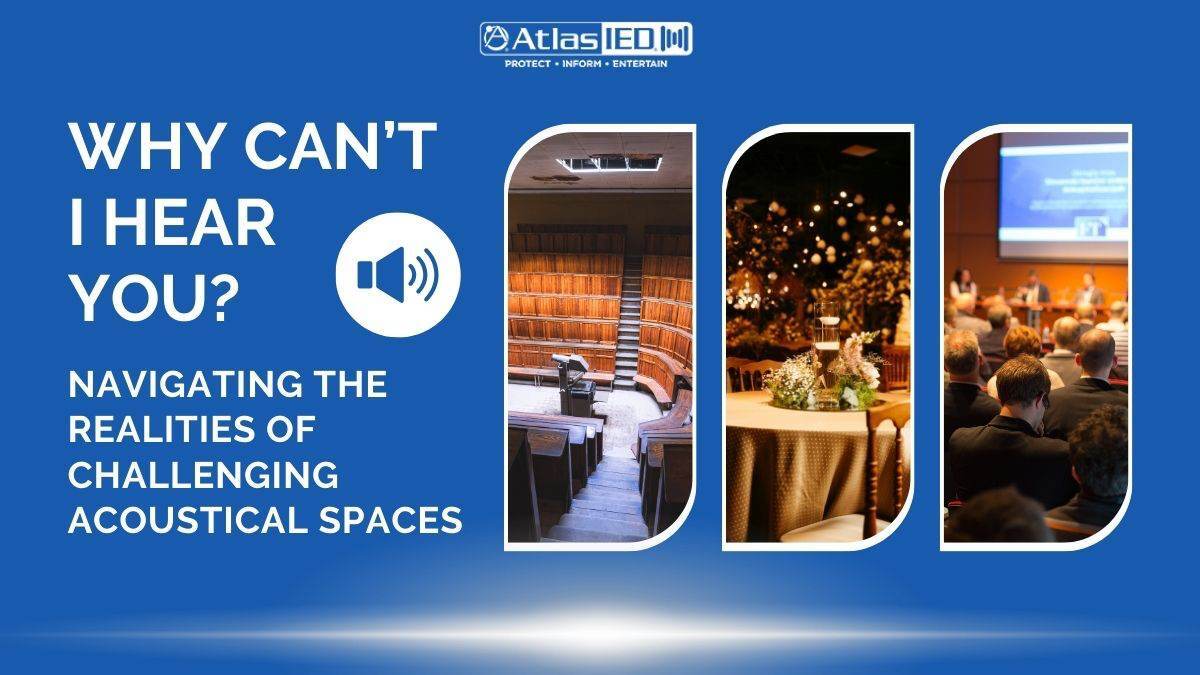
Have you ever struggled to understand a PA announcement or live presenter, even with a sound system? Clear communication is critical—whether it’s a gate change in an airport, a hospital emergency page, or a sermon in a house of worship. Yet we often strain to hear because challenging acoustical spaces make speech difficult to understand, despite amplification. Why? The answer lies in the hidden complexity of challenging acoustical spaces.
The benefits of cloud connectivity for hardware and device manufacturers and their customers can be substantial. Yet hardware manufacturers remain understandably hesitant to connect their devices to the cloud – primarily owing to security concerns. What are the key capabilities manufacturers need to effectively secure devices and enjoy the full potential of revenue, functionality and user experience that device connectivity offers?
For over 90 years, AtlasIED has been a recognized leader in commercial audio innovation, delivering high-quality audio and communication technology solutions to diverse commercial environments. Our in-ceiling loudspeakers embody our commitment to innovation, featuring patented designs that make installation easier, safer, and more efficient, while delivering exceptional audio quality. One such patent is our “dogleg” toolless mounting mechanism for some of our most popular in-ceiling.