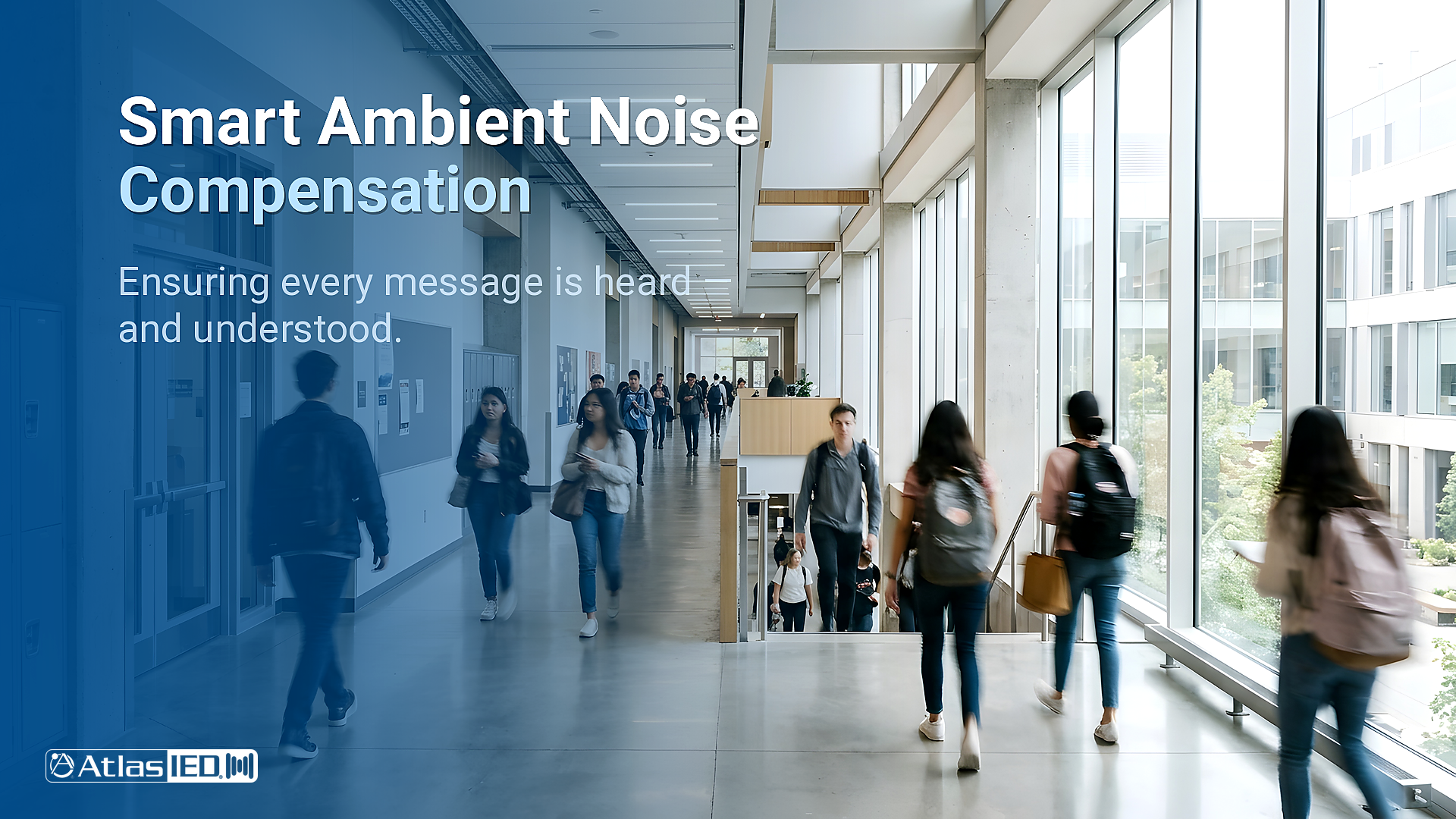
On a busy campus, silence is rare. Classroom discussions, hallway traffic, machinery, HVAC systems, and outdoor activity all contribute to constantly changing ambient noise levels. In these environments, one of the biggest challenges for safety and communication systems isn’t delivering a message. It’s ensuring that message is heard and understood.
In today’s security landscape, organizations face a difficult balancing act: how to proactively identify threats without compromising privacy. Traditional video surveillance systems often fall short. Either they are purely reactive, or they require continuous human monitoring that introduces inefficiencies, bias, and privacy concerns.
If you work in security, you already live in the low-voltage world—access control, intrusion, cameras, networks. Yet many integrators hesitate when they hear “70-volt” or “100-volt” loudspeakers, assuming they’re dealing with something closer to an electrician’s scope. In reality, 70V/100V speaker systems are generally considered low-voltage, power-limited audio circuits, designed for the same types of commercial buildings where you already run cable every day.
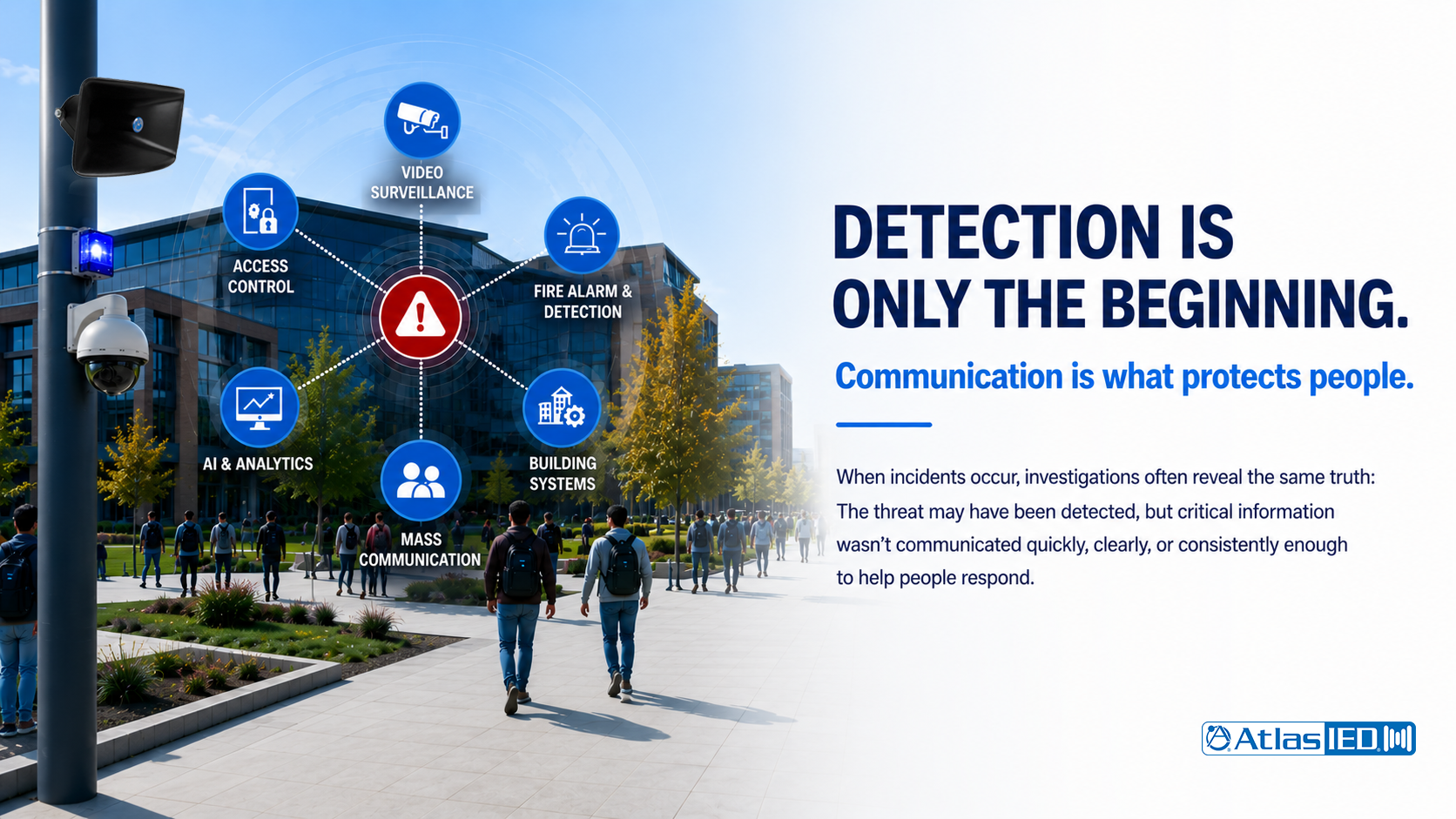
From public address systems and IP-based solutions to mass notification and life safety platforms, mission-critical technology plays a vital role in keeping people informed and protected. These communication systems must operate reliably at all times. Proactive assurance plans help reduce downtime, maintain performance, and protect long-term investments beyond a standard warranty.
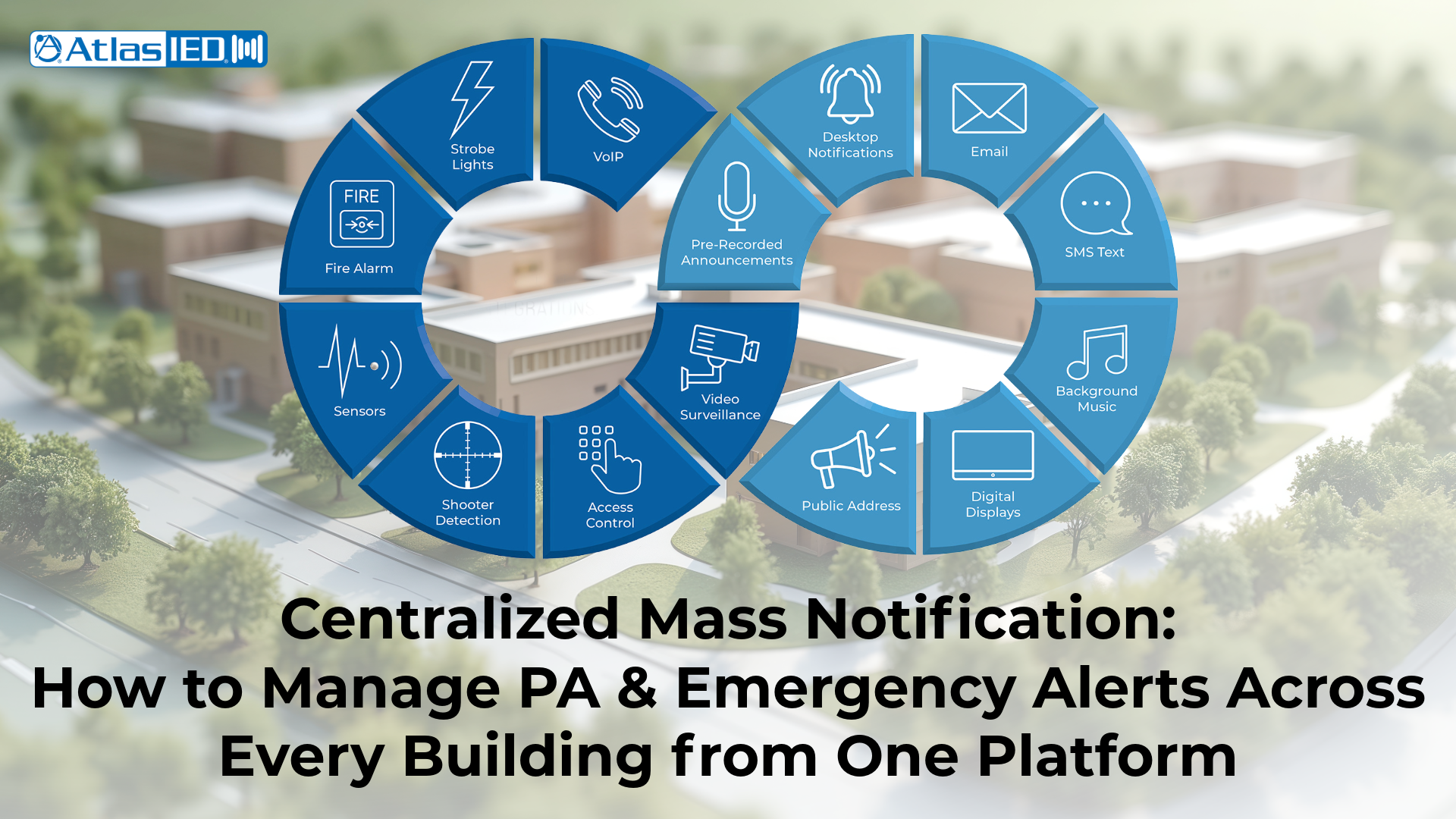
Mass notification has moved from “nice to have” to mission-critical. Schools, campuses, enterprise offices, hospitals, airports, and municipalities are upgrading systems to reach people instantly—on any device, in any space—when seconds matter. For security integrators, this shift represents one of the most attractive growth markets: platform sales, endpoints, services, and multi-year support contracts all bundled into high-value projects.
The benefits of cloud connectivity for hardware and device manufacturers and their customers can be substantial. Yet hardware manufacturers remain understandably hesitant to connect their devices to the cloud – primarily owing to security concerns. What are the key capabilities manufacturers need to effectively secure devices and enjoy the full potential of revenue, functionality and user experience that device connectivity offers?
Martyn’s Law, or the Terrorism (Protection of Premises) Bill, aims to ensure UK venues are prepared for terror threats. Named after Martyn Hett, a victim of the 2017 Manchester bombing, the law requires certain public venues to improve security and preparedness. While navigating these requirements can be challenging, AtlasIED offers solutions to help organizations comply and enhance safety.