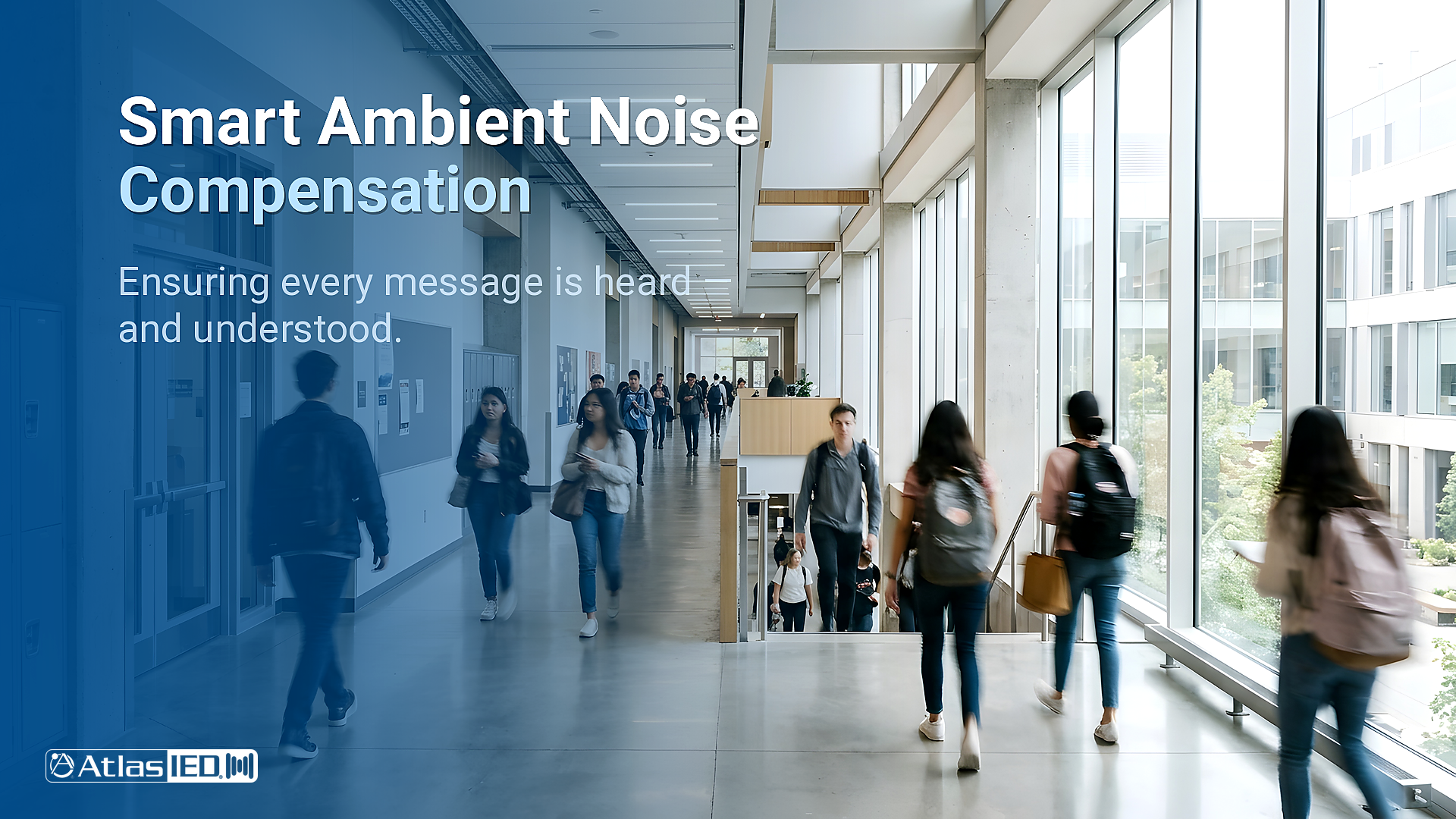
On a busy campus, silence is rare. Classroom discussions, hallway traffic, machinery, HVAC systems, and outdoor activity all contribute to constantly changing ambient noise levels. In these environments, one of the biggest challenges for safety and communication systems isn’t delivering a message. It’s ensuring that message is heard and understood.
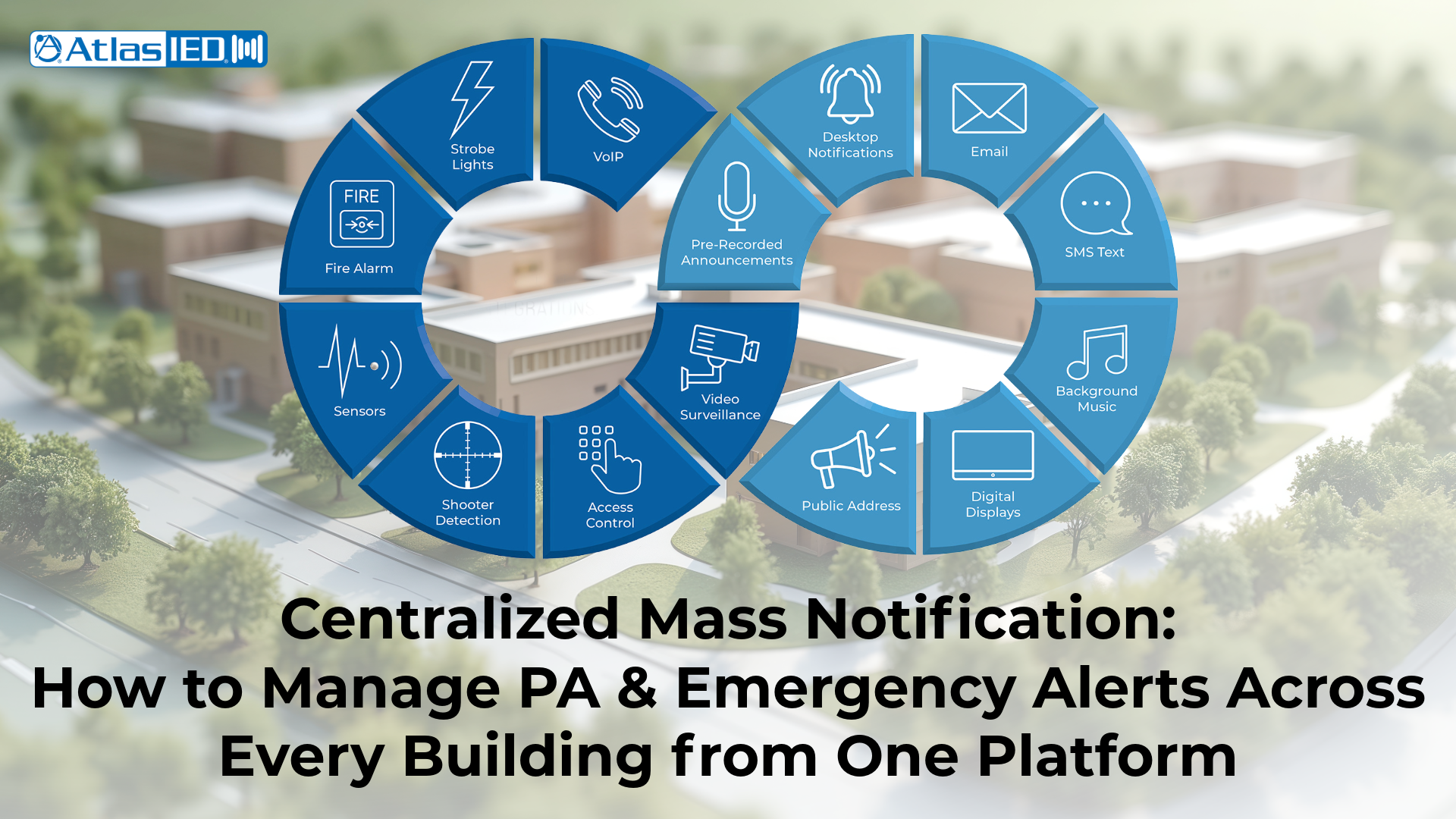
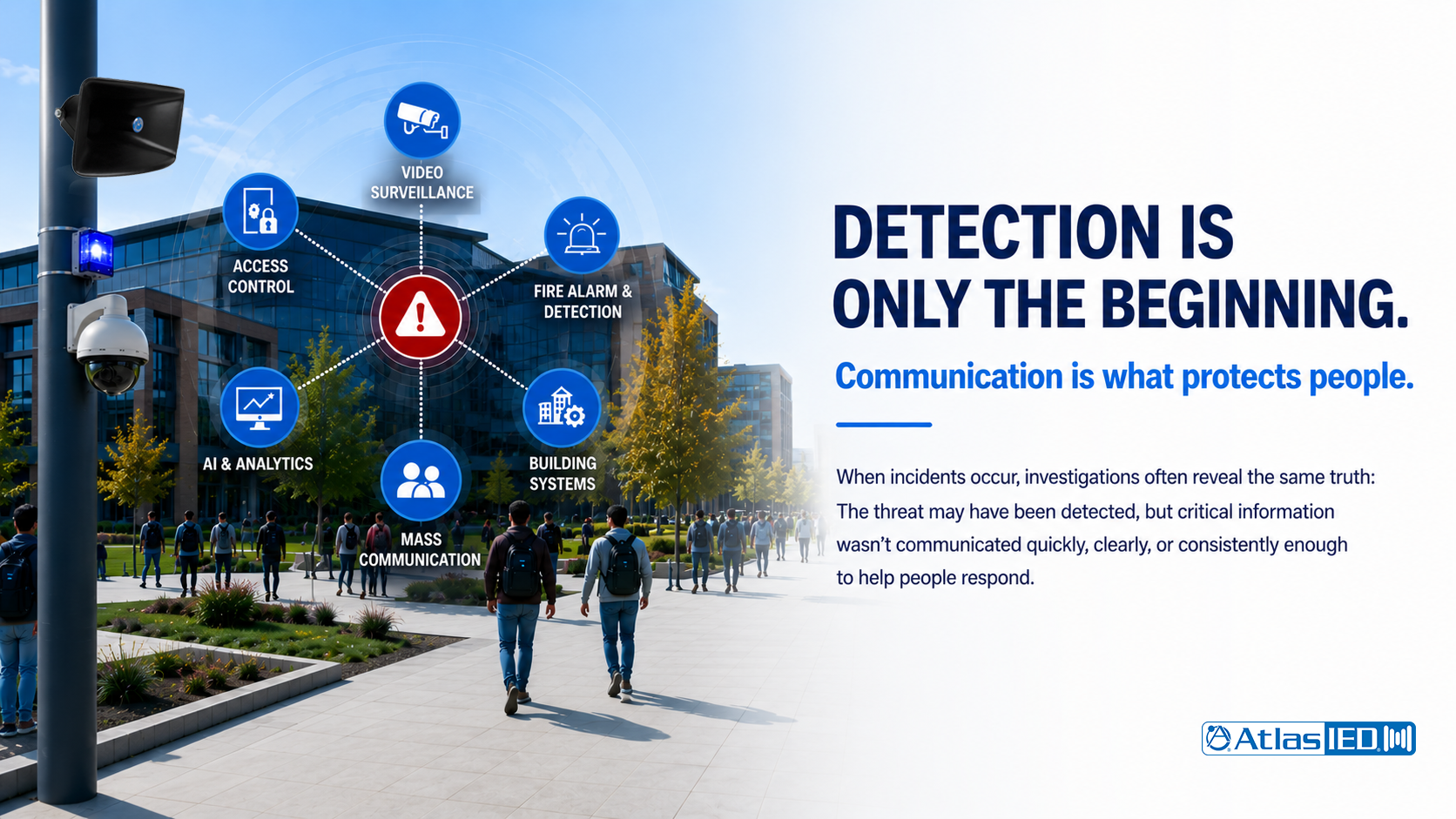
In an emergency, time is the most critical variable. The faster a situation is identified, communicated, and acted upon, the greater the opportunity to protect lives and minimize harm. Yet in many facilities, especially across K-12 education, healthcare, industrial, and large campuses, there’s still a gap between when an incident begins and when the right people are alerted. That gap is where risk lives.
From public address systems and IP-based solutions to mass notification and life safety platforms, mission-critical technology plays a vital role in keeping people informed and protected. These communication systems must operate reliably at all times. Proactive assurance plans help reduce downtime, maintain performance, and protect long-term investments beyond a standard warranty.
When you’re designing a commercial audio system, one of the most important decisions you’ll make is how to structure the core electronics. Should you use a powered DSP (a DSP with built-in amplification)? Or do you build around a separate DSP and amplifier architecture? That choice affects how quickly the system installs, how easy it is to expand later, and how reliably it performs over time. Pick the wrong approach and you can end up with bottlenecks, workarounds, or expensive redesigns.
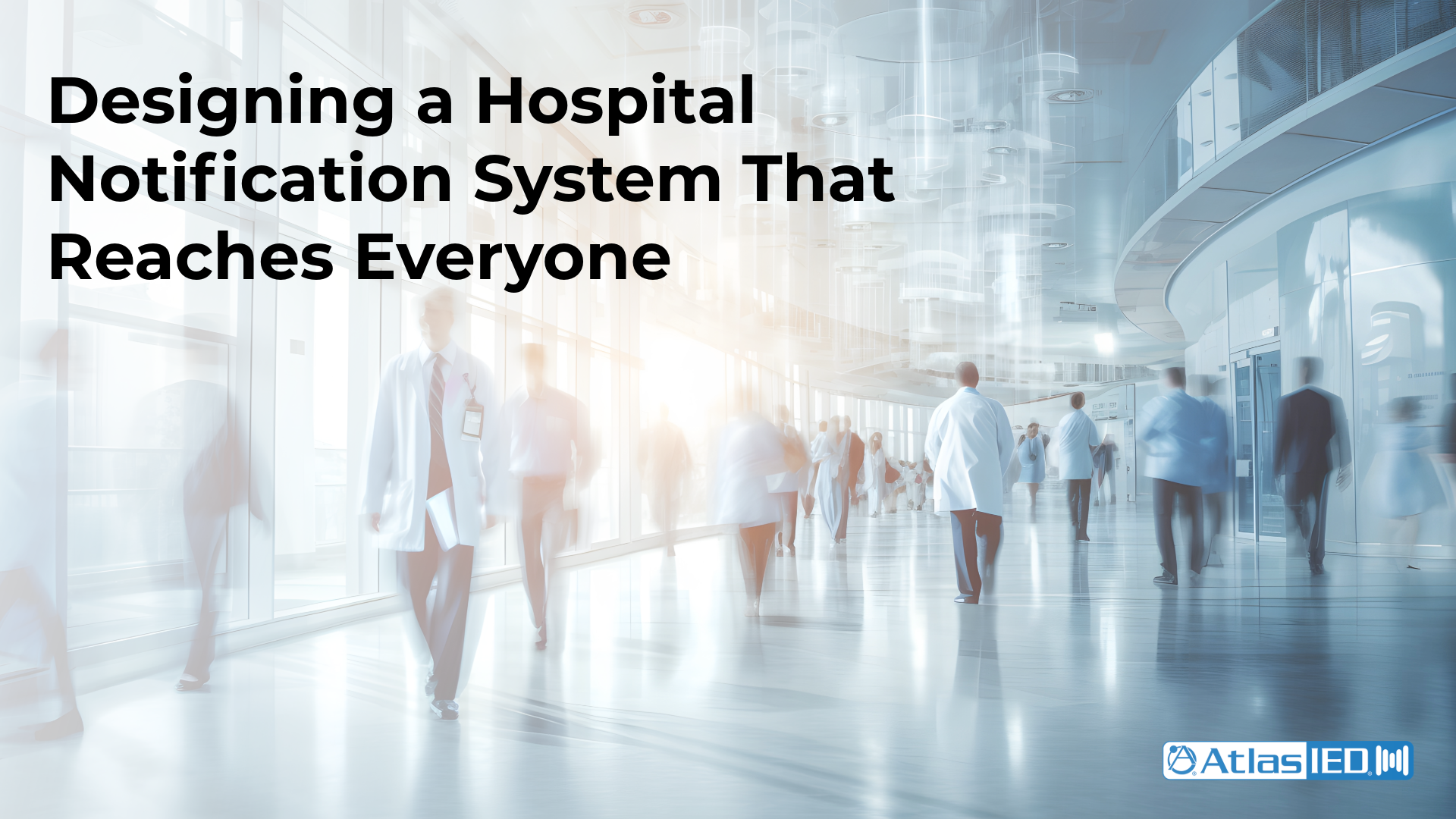
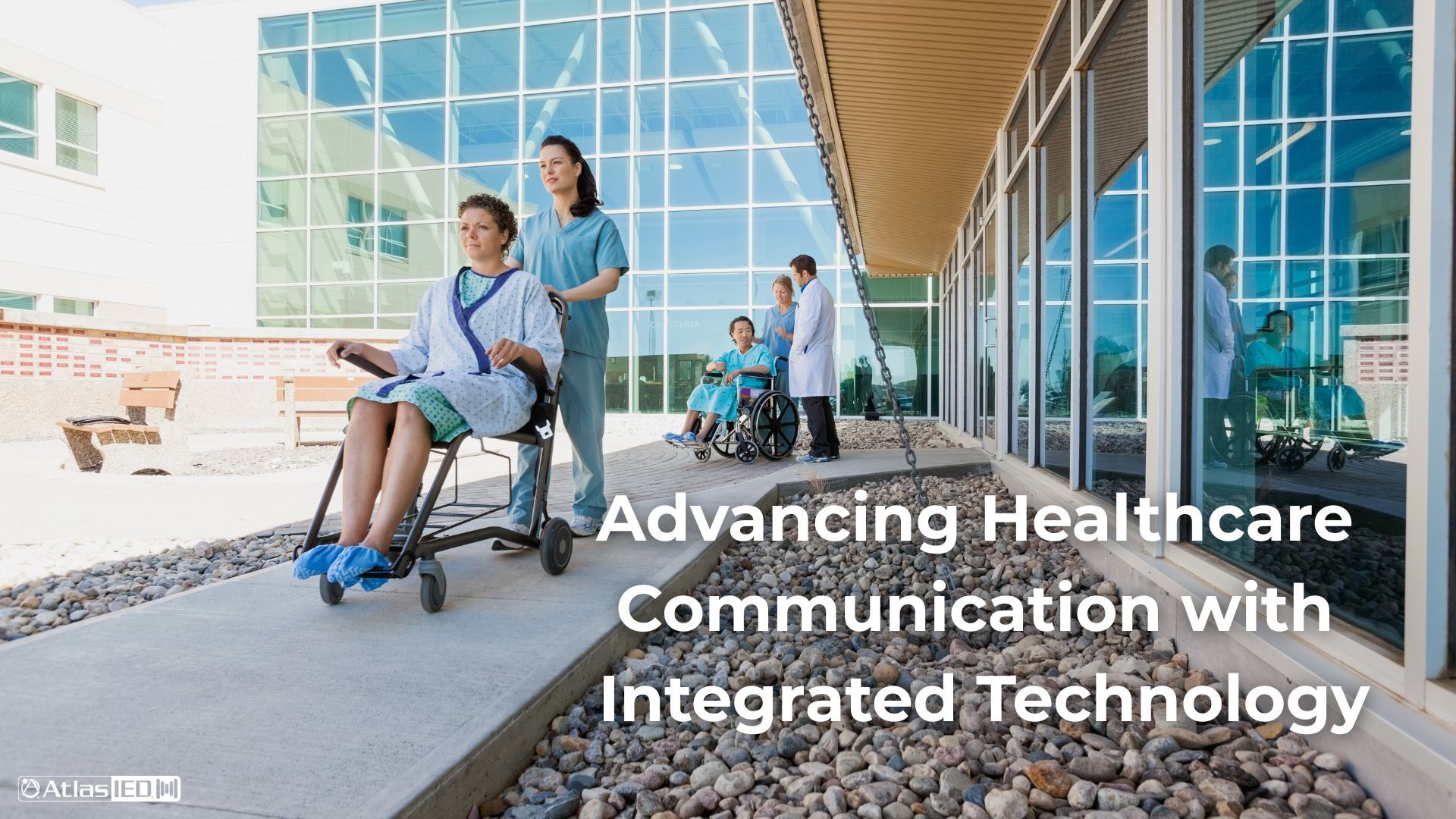
Modern communication systems are now designed to be more integrated, flexible, and responsive, meeting the unique needs of healthcare environments. These systems enable seamless communication with caregivers, patients, visitors, and administrative staff, ensuring that critical information is conveyed promptly and accurately.
Martyn’s Law, or the Terrorism (Protection of Premises) Bill, aims to ensure UK venues are prepared for terror threats. Named after Martyn Hett, a victim of the 2017 Manchester bombing, the law requires certain public venues to improve security and preparedness. While navigating these requirements can be challenging, AtlasIED offers solutions to help organizations comply and enhance safety.
Modern IP-based intercom systems bolster business operations by enabling real-time two-way video/audio communication, enhancing access control, emergency alerts, and situational awareness. They streamline internal workflows—from paging and customer service to zoned announcements—while integrating seamlessly with security, mass-notification, and access systems. This scalable, high‑clarity solution supports diverse sectors like corporate, healthcare, transportation, and education.
AtlasIED’s AS Series loudspeakers are expertly "voiced" for a consistent, balanced sound across all models. Voicing ensures each speaker shares the same sonic signature, creating seamless, high-quality audio in multi-speaker setups. This prevents tonal mismatches and listener fatigue, delivering a harmonious experience in any space.
IPX endpoints are network-connected audio/visual IP devices used in mass communication systems in schools, healthcare, and industrial environments to deliver critical messages, alerts, and intercom functionality via speakers, LCD displays, LED flashers, and microphones. They auto-register with systems like InformaCast, offer high speech intelligibility, visual ADA-compliant cues (color/text/flashing), and integrate seamlessly with existing infrastructure.