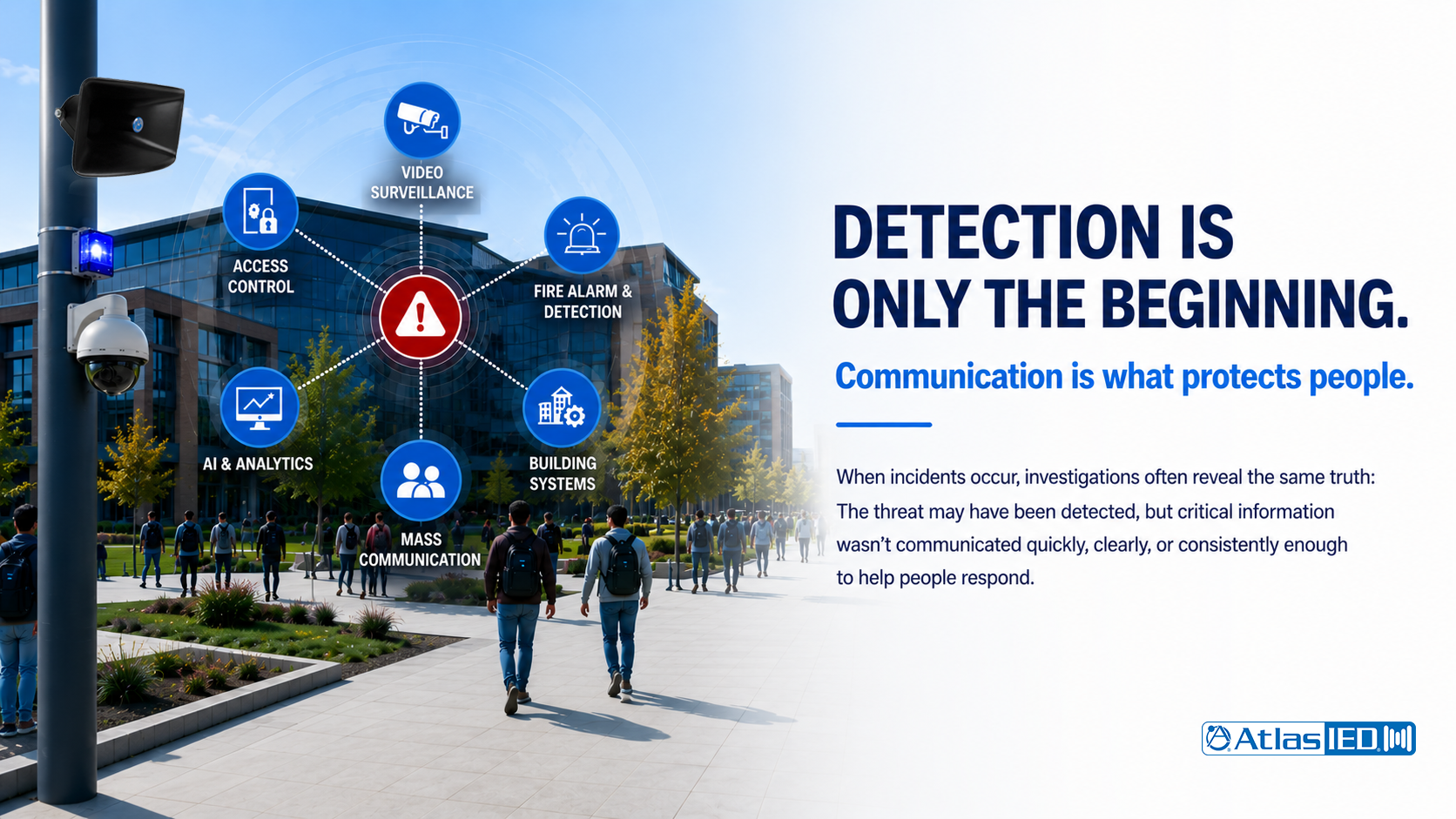
Across campuses of all sizes, organizations continue investing heavily in physical security. Video surveillance, access control, AI-powered analytics, intrusion detection, and monitoring technologies have become foundational components of modern security strategies.
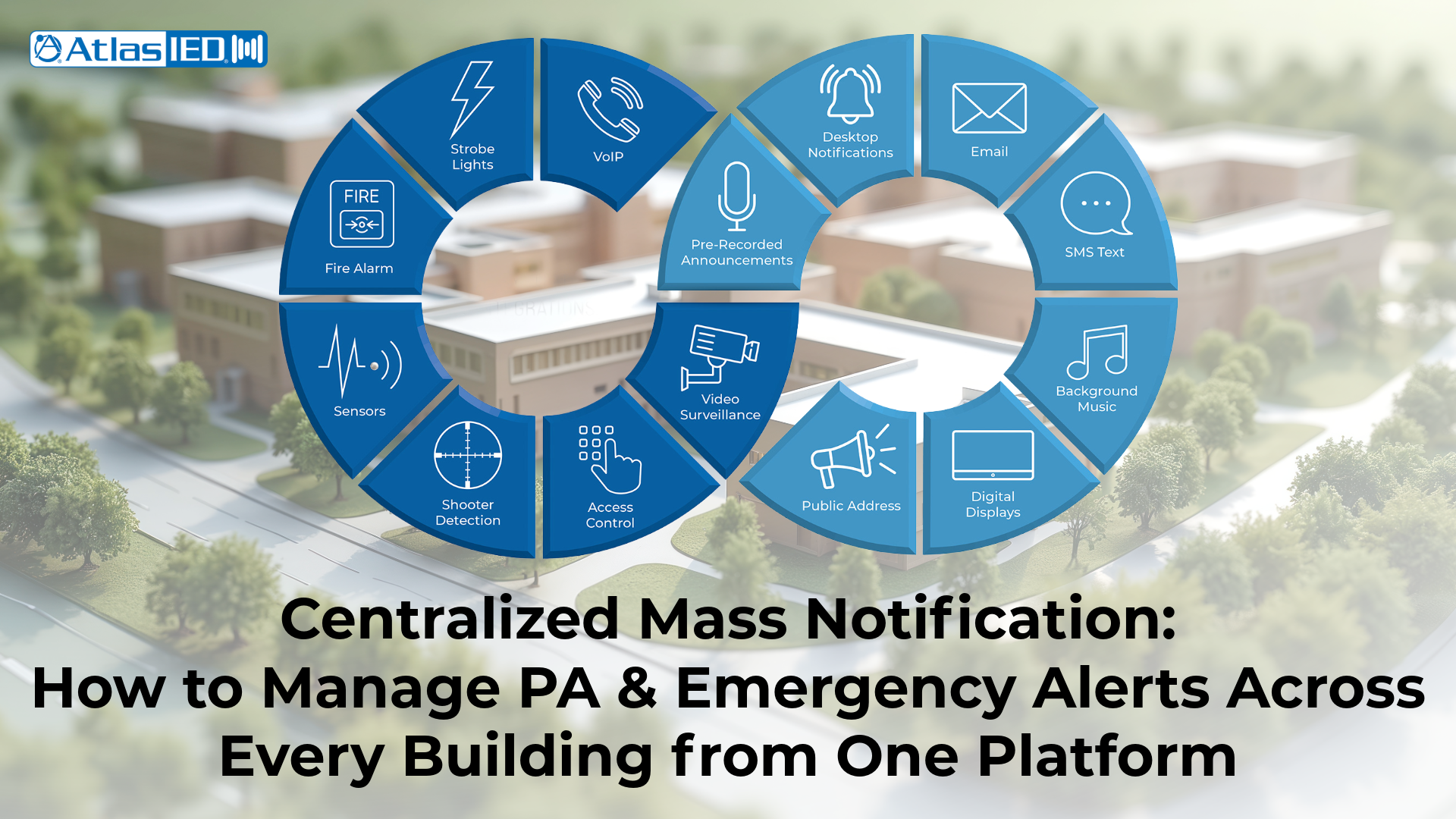
If your organization has more than one building—a campus, hospital system, chain of facilities, or transit network—you need a reliable way to manage paging, scheduled announcements, and emergency alerts across every site. In many facilities, that same communications strategy may also coordinate with background music, intercom, digital signage, access control, and other building systems.
In a hospital, an emergency code is shorthand—but not every facility uses the same shorthand. Code Blue often signals a cardiac or respiratory emergency. Code Silver often points to a person with a weapon or other active threat. Codes such as Code Black, Code Yellow, or severe weather alerts can vary by state, health system, or facility policy. The job of a hospital notification system is to deliver the right alert to the right people, in the right places, as quickly and clearly as possible.
When facilities teams evaluate sound masking, the conversation usually starts subjectively — “the office is too distracting” or “we need more privacy in this clinic.” The conversation should end objectively. Two measurable metrics — the Articulation Index (AI) and its complement, the Privacy Index (PI) — let acousticians prove whether a space is actually private or not, and whether a sound masking system has done its job.
On a busy campus, silence is rare. Classroom discussions, hallway traffic, machinery, HVAC systems, and outdoor activity all contribute to constantly changing ambient noise levels. In these environments, one of the biggest challenges for safety and communication systems isn’t delivering a message. It’s ensuring that message is heard and understood.
In an emergency, time is the most critical variable. The faster a situation is identified, communicated, and acted upon, the greater the opportunity to protect lives and minimize harm. Yet in many facilities, especially across K-12 education, healthcare, industrial, and large campuses, there’s still a gap between when an incident begins and when the right people are alerted. That gap is where risk lives.
From public address systems and IP-based solutions to mass notification and life safety platforms, mission-critical technology plays a vital role in keeping people informed and protected. These communication systems must operate reliably at all times. Proactive assurance plans help reduce downtime, maintain performance, and protect long-term investments beyond a standard warranty.
When you’re designing a commercial audio system, one of the most important decisions you’ll make is how to structure the core electronics. Should you use a powered DSP (a DSP with built-in amplification)? Or do you build around a separate DSP and amplifier architecture? That choice affects how quickly the system installs, how easy it is to expand later, and how reliably it performs over time. Pick the wrong approach and you can end up with bottlenecks, workarounds, or expensive redesigns.
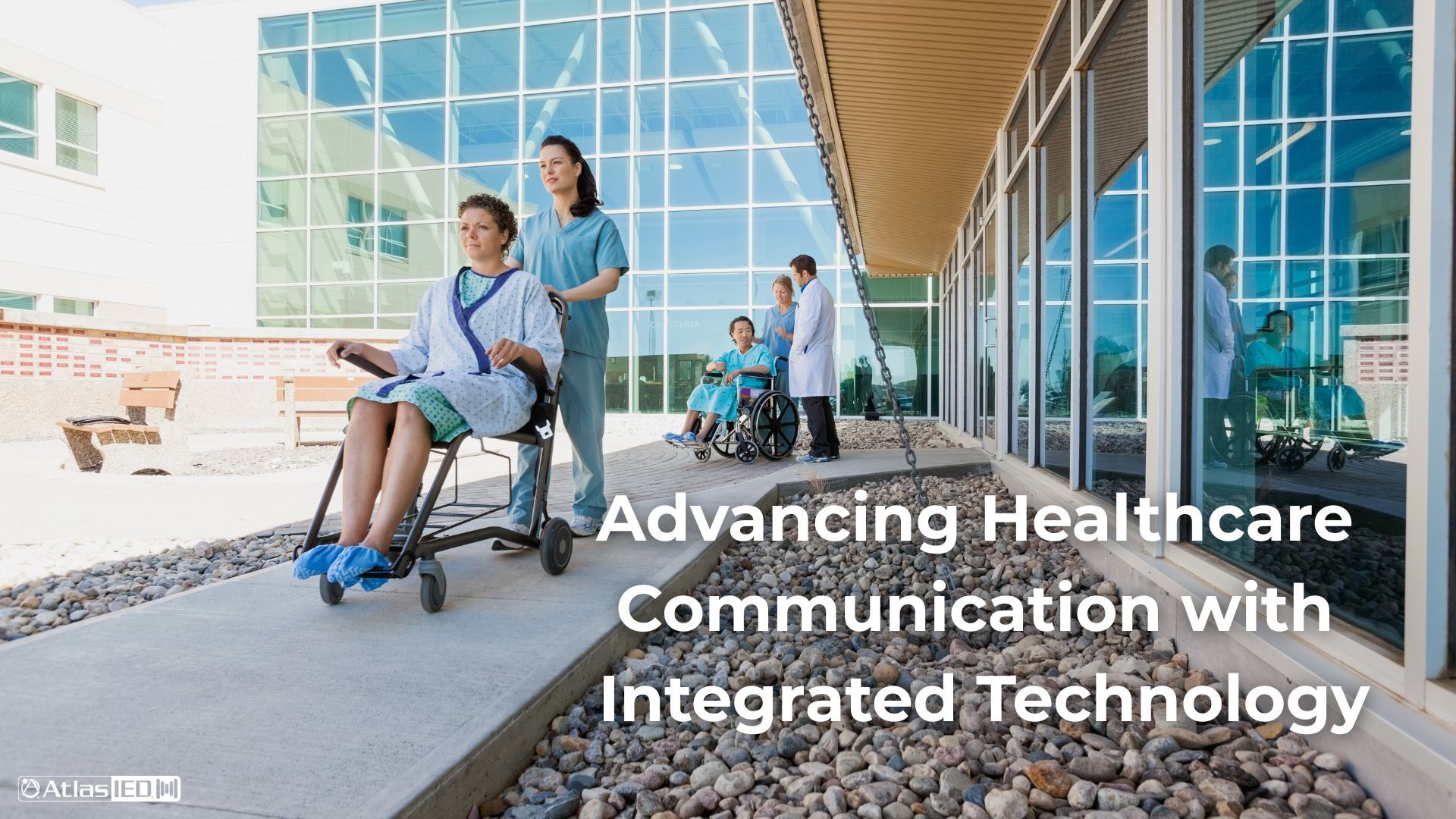
Modern communication systems are now designed to be more integrated, flexible, and responsive, meeting the unique needs of healthcare environments. These systems enable seamless communication with caregivers, patients, visitors, and administrative staff, ensuring that critical information is conveyed promptly and accurately.