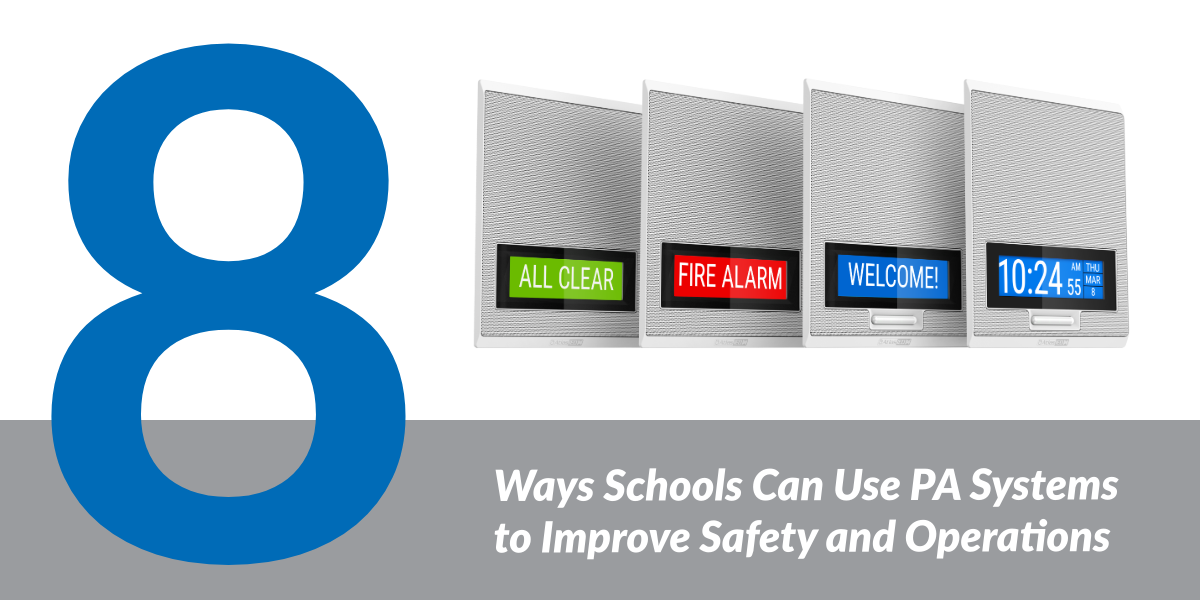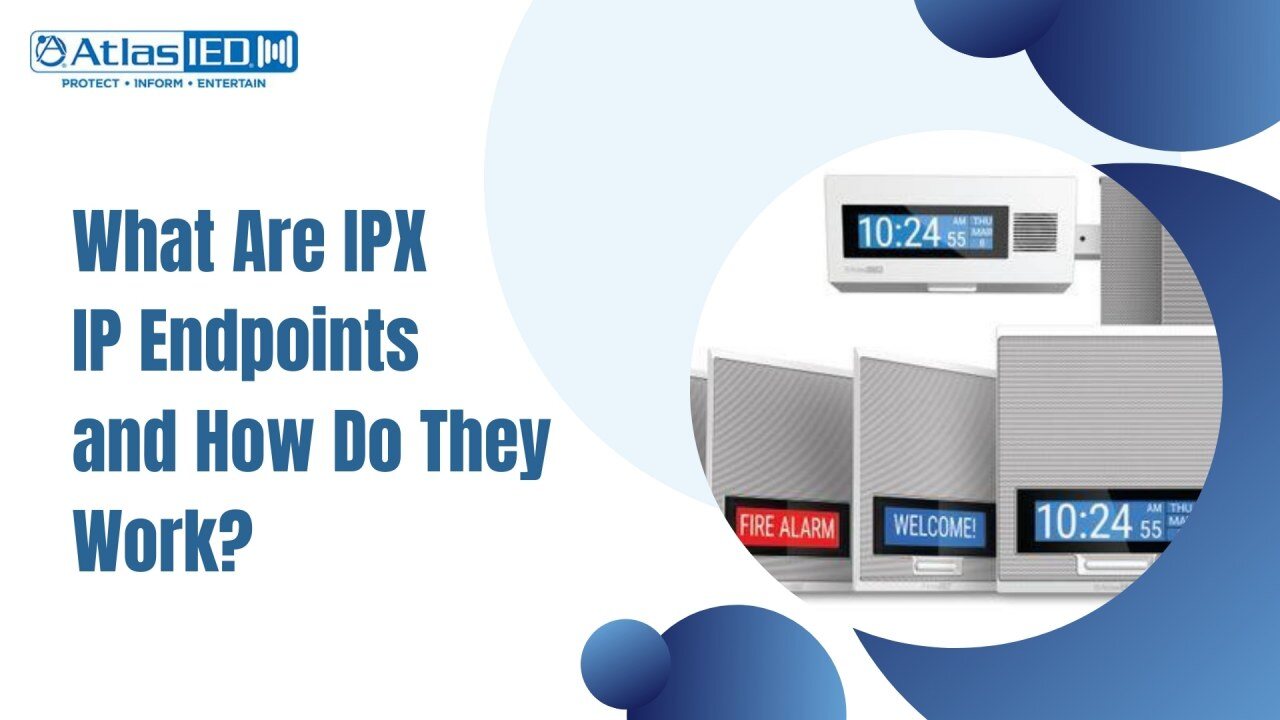
IPX endpoints are network-connected audio/visual IP devices used in mass communication systems in schools, healthcare, and industrial environments to deliver critical messages, alerts, and intercom functionality via speakers, LCD displays, LED flashers, and microphones. They auto-register with systems like InformaCast, offer high speech intelligibility, visual ADA-compliant cues (color/text/flashing), and integrate seamlessly with existing infrastructure.
Modern panic button systems offer versatile activation options—wearable badges, wall‑mounted units, desktop buttons, and mobile apps—across settings like schools, healthcare, corporate, and industrial environments. They integrate seamlessly with mass-notification such as platforms like InformaCast, enabling real-time alerts, lockdowns, and two-way communication. This flexibility supports tailored responses, scalability, and compliance with safety mandates.
In the world of K-12 education, securing adequate funding is a perpetual challenge. However, in response to the COVID-19 pandemic, the federal government has stepped in to provide much-needed financial relief to school districts through programs like the Elementary and Secondary School Emergency Relief (ESSER) fund. ESSER III, the third iteration of this program, has brought unprecedented financial resources to K-12 districts across the United States. Let's explore ESSER III funding, what it.
Emergencies can occur without warning, and in those critical situations, having a powerful emergency management system in place can be the difference between disorder and a well-coordinated and effective response. For any organization, keeping its people protected at all times is a top priority, which is why it is important to implement tools that address a wide array of security and safety concerns.
No matter what industry you're in, whether it's corporate, industrial, healthcare, education, or any other business, no organization is immune from being affected by a serious emergency. Having the necessary communication tools in place can make all the difference when it's time to manage a crisis like a natural disaster, extreme weather, or even a potential security threat on the premises of your facility.
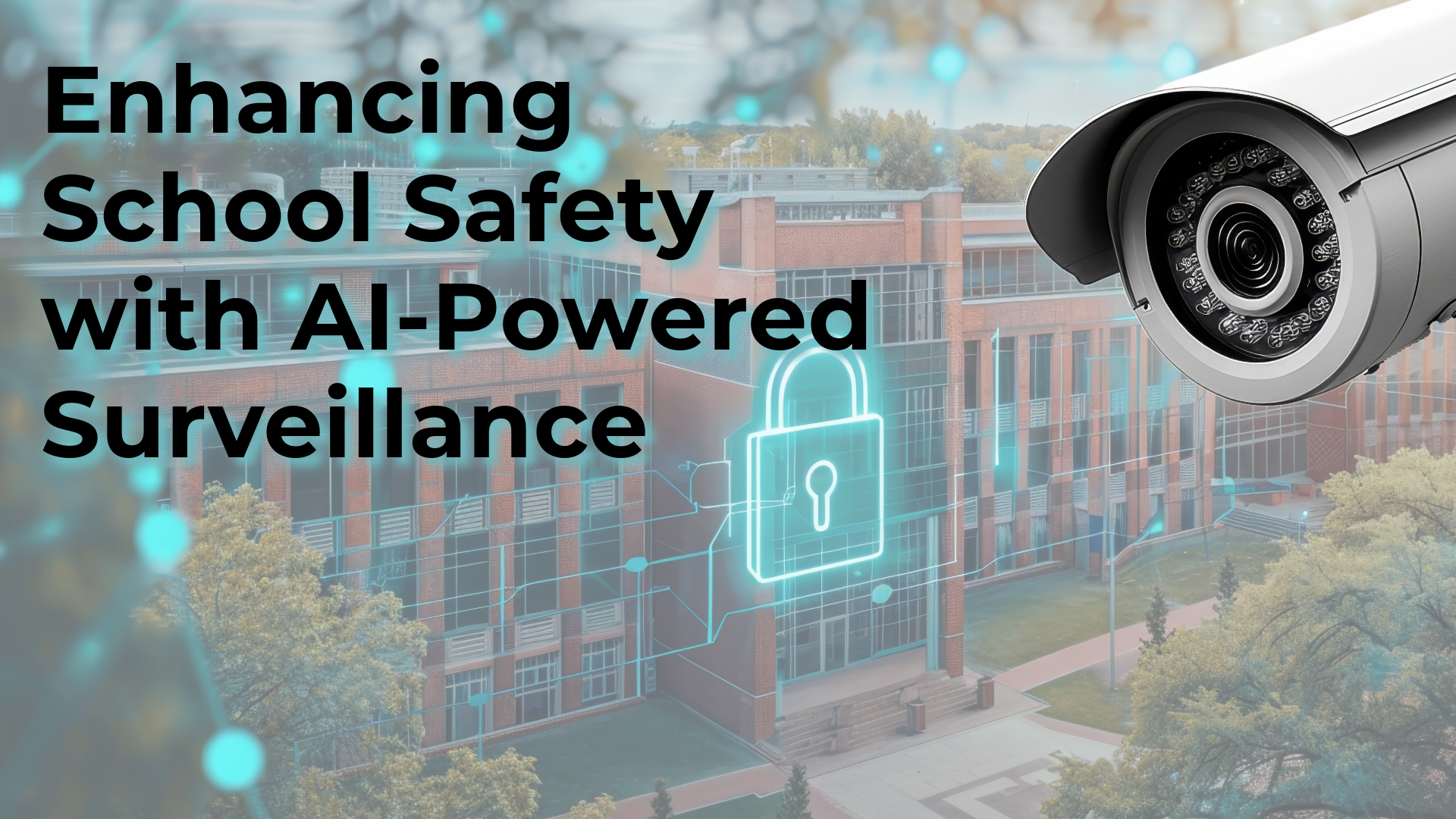
As schools grapple with the challenges of keeping their students and staff safe, two important tools that have emerged as priority investments for emergency preparedness are public address systems and security cameras. While both of these technologies can be useful in helping to secure a school, there are also some significant differences between them that are worth considering.