
If your building is already wired for data and VoIP, you can run IP loudspeakers over the same Cat5e or Cat6 cabling. The two things that make it possible are Power over Ethernet (PoE) and IP audio. Here is how it actually works, what you need, and when it is still smarter to use traditional 70V distributed audio.
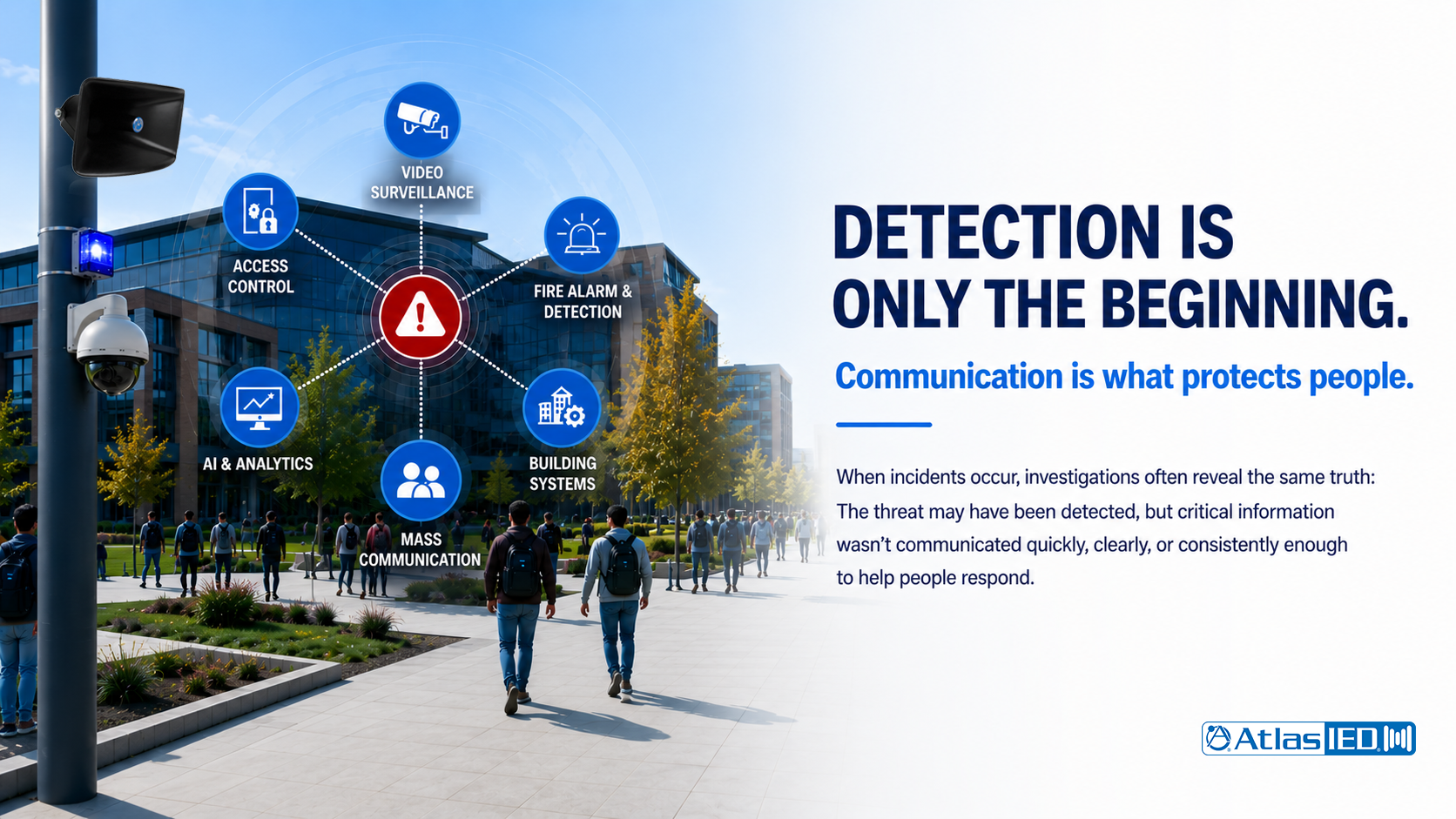
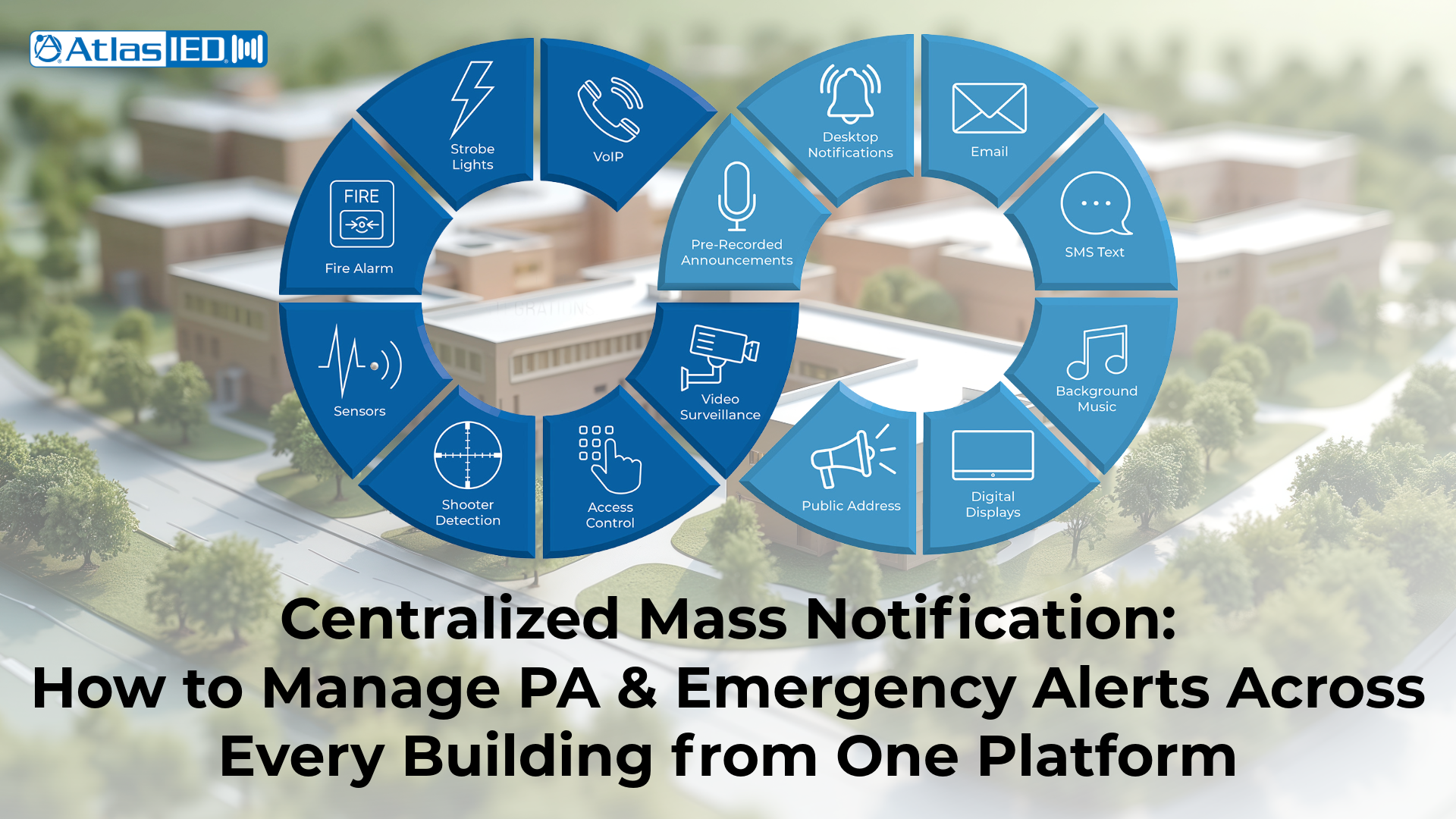
If your organization has more than one building—a campus, hospital system, chain of facilities, or transit network—you need a reliable way to manage paging, scheduled announcements, and emergency alerts across every site. In many facilities, that same communications strategy may also coordinate with background music, intercom, digital signage, access control, and other building systems.
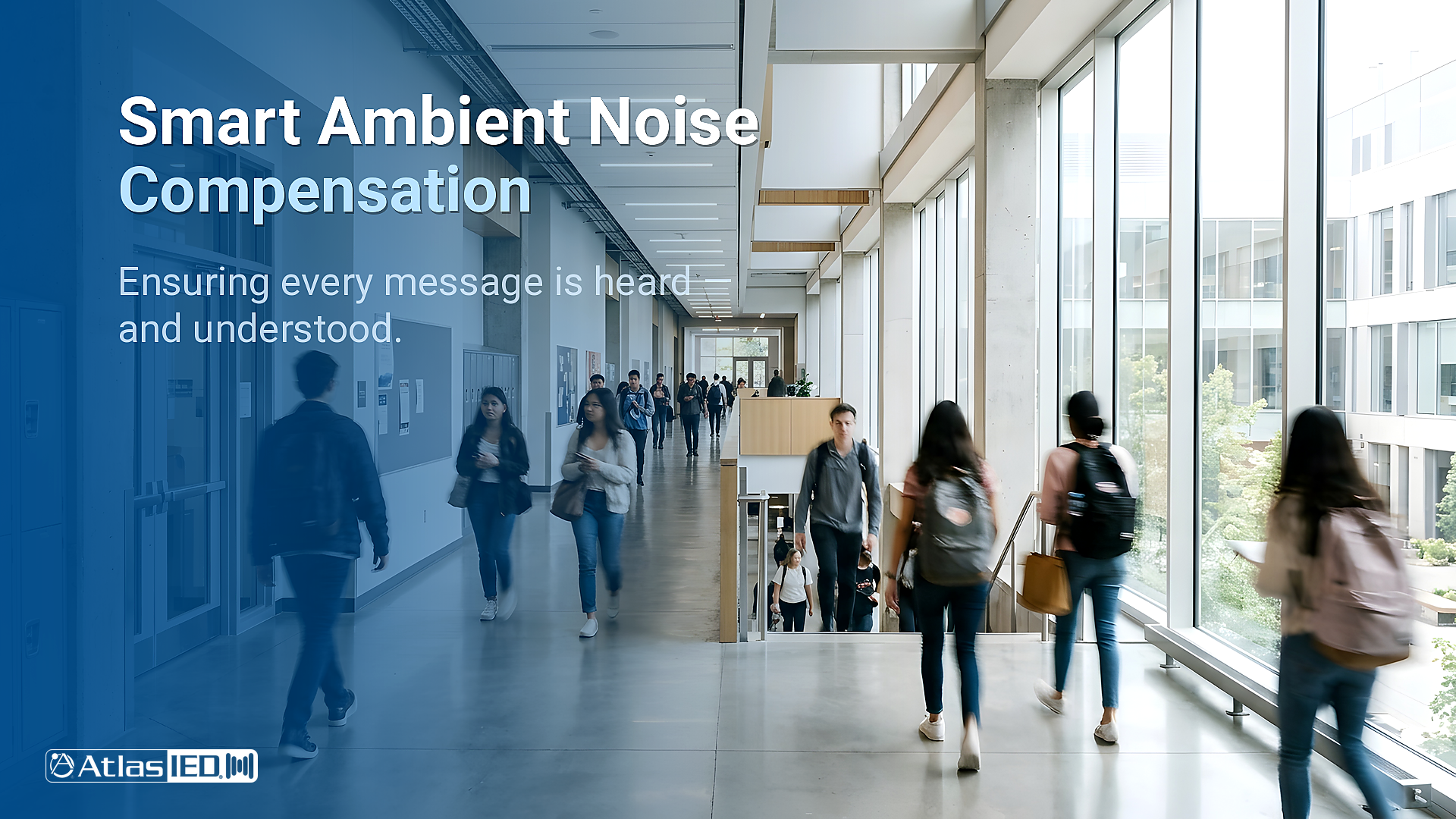
On a busy campus, silence is rare. Classroom discussions, hallway traffic, machinery, HVAC systems, and outdoor activity all contribute to constantly changing ambient noise levels. In these environments, one of the biggest challenges for safety and communication systems isn’t delivering a message. It’s ensuring that message is heard and understood.
From public address systems and IP-based solutions to mass notification and life safety platforms, mission-critical technology plays a vital role in keeping people informed and protected. These communication systems must operate reliably at all times. Proactive assurance plans help reduce downtime, maintain performance, and protect long-term investments beyond a standard warranty.
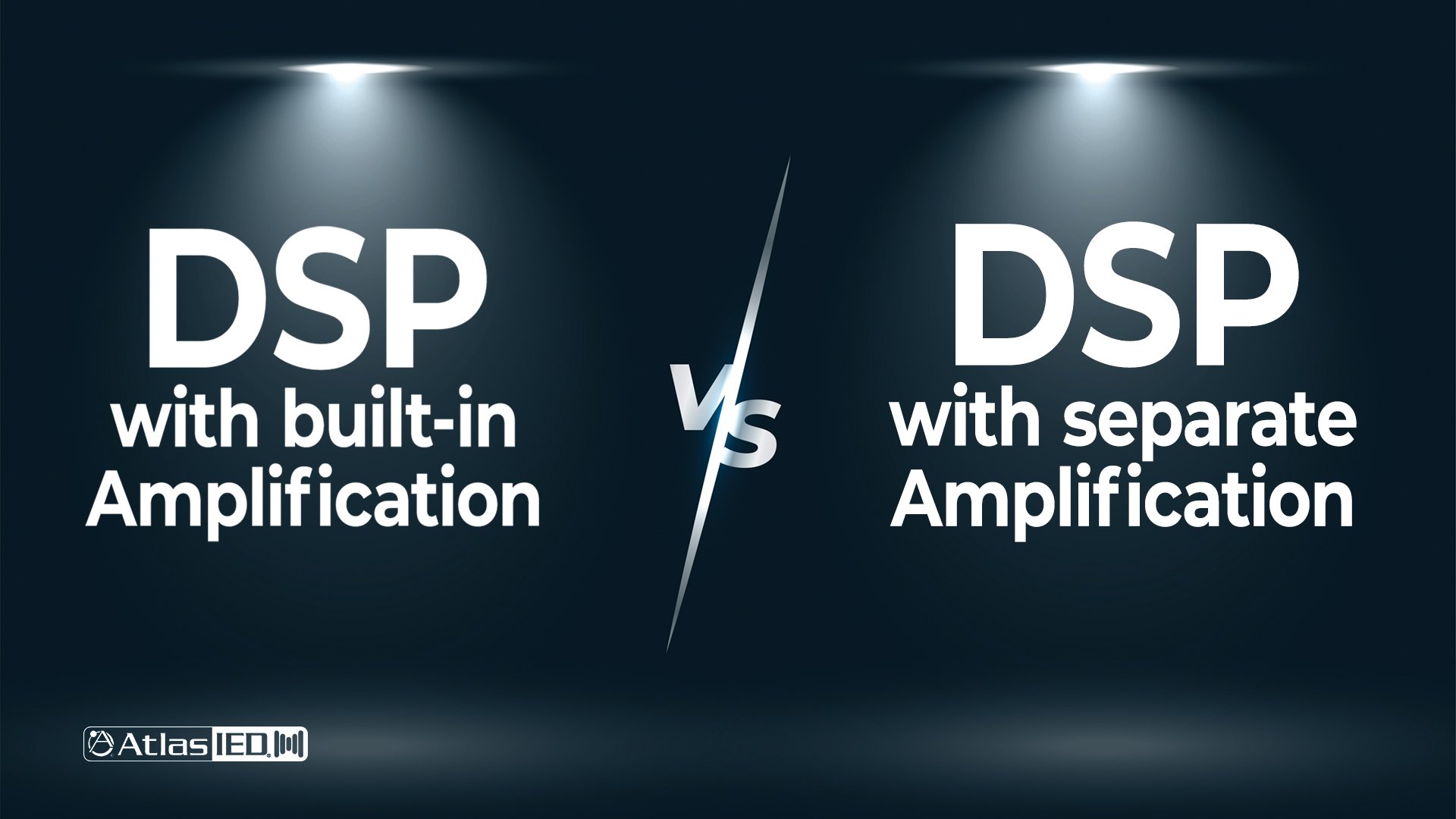
When you’re designing a commercial audio system, one of the most important decisions you’ll make is how to structure the core electronics. Should you use a powered DSP (a DSP with built-in amplification)? Or do you build around a separate DSP and amplifier architecture? That choice affects how quickly the system installs, how easy it is to expand later, and how reliably it performs over time. Pick the wrong approach and you can end up with bottlenecks, workarounds, or expensive redesigns.
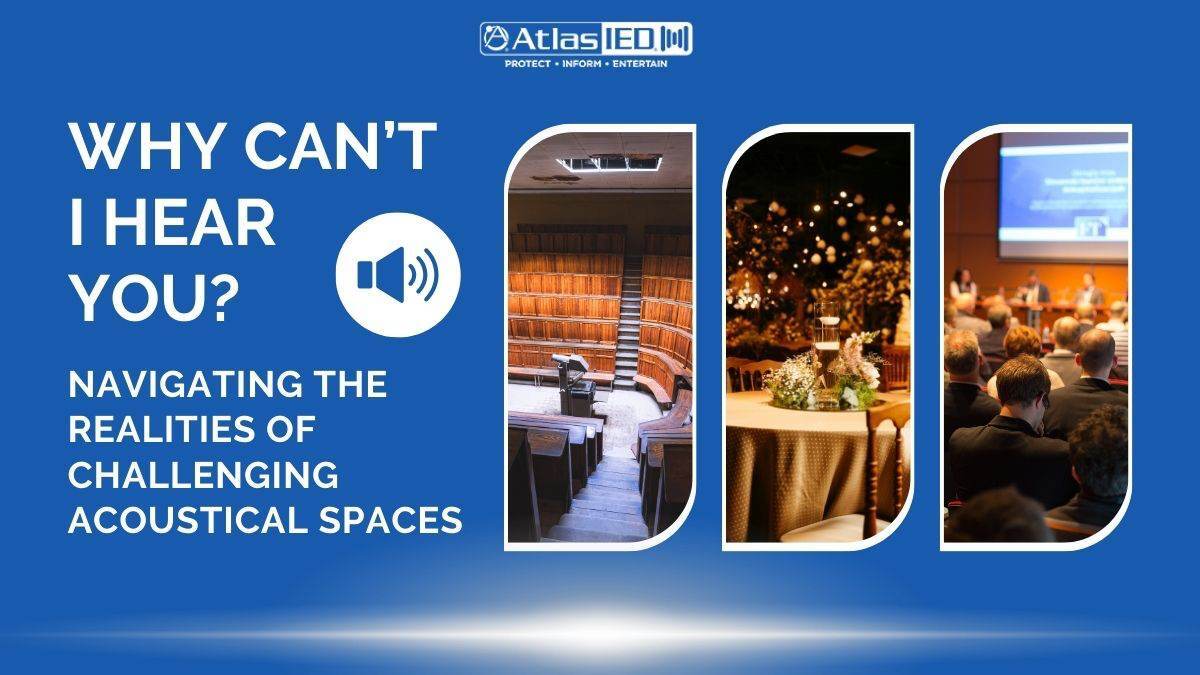
Have you ever struggled to understand a PA announcement or live presenter, even with a sound system? Clear communication is critical—whether it’s a gate change in an airport, a hospital emergency page, or a sermon in a house of worship. Yet we often strain to hear because challenging acoustical spaces make speech difficult to understand, despite amplification. Why? The answer lies in the hidden complexity of challenging acoustical spaces.
Martyn’s Law, or the Terrorism (Protection of Premises) Bill, aims to ensure UK venues are prepared for terror threats. Named after Martyn Hett, a victim of the 2017 Manchester bombing, the law requires certain public venues to improve security and preparedness. While navigating these requirements can be challenging, AtlasIED offers solutions to help organizations comply and enhance safety.
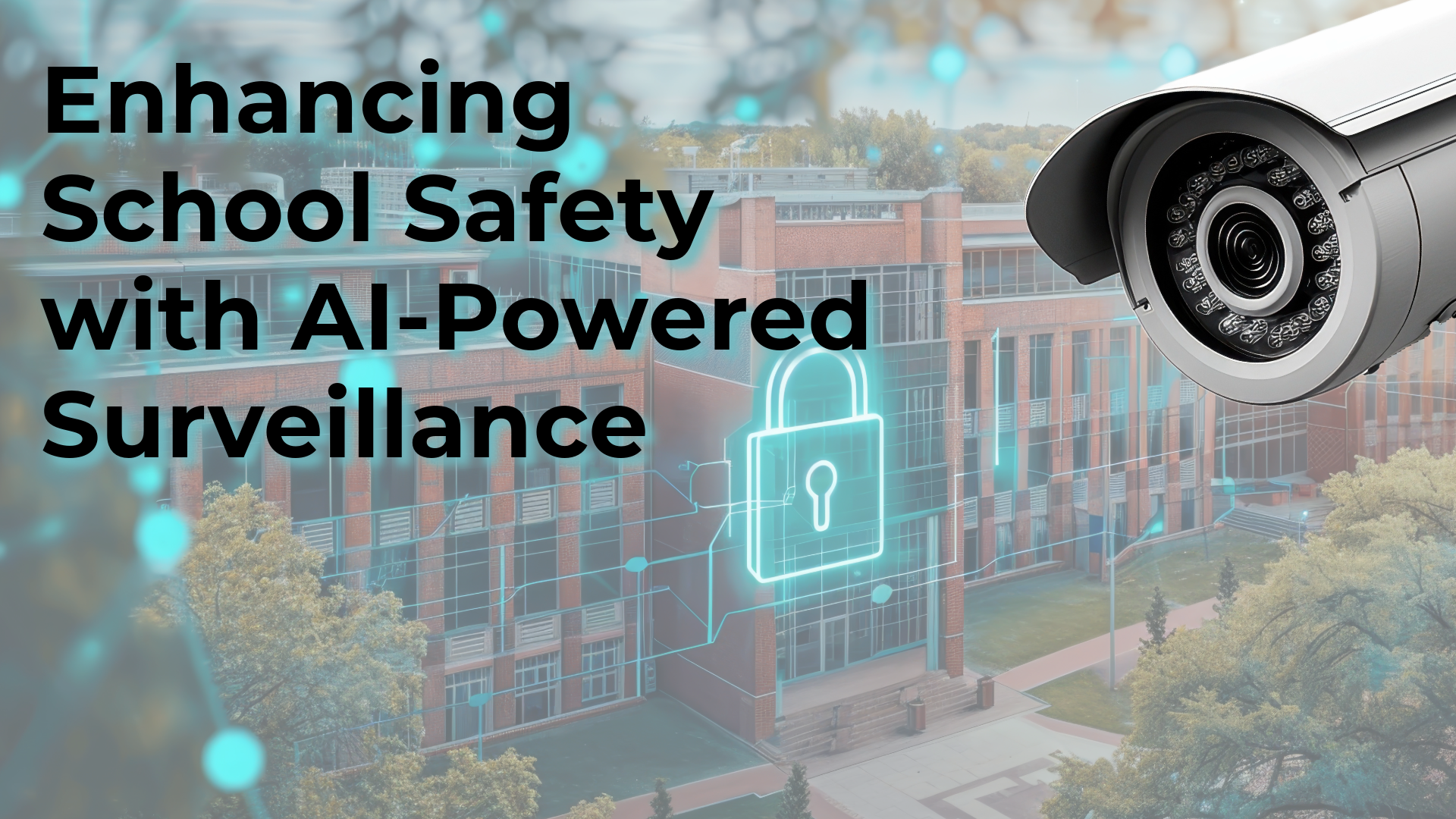
AI‑powered platforms like IntelliSee connect to existing school cameras to detect weapons, aggression, slips, or trespassing in real time—instantly triggering alerts, lockdowns, and communication via PA, intercoms, and mass-notification tools like InformaCast. This automated, data‑driven system enhances school safety by speeding up response, streamlining coordination, and improving documentation while adapting to evolving security needs.